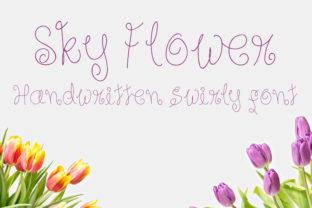
Sky Flower Font: A Handwritten Typeface for Digital Brands
In the crowded landscape of modern web design, establishing an immediate emotional connection with visitors is paramount. As digital product creators and UI designers, we often rely on clean sans serif fonts for body copy to ensure maximum readability, but the personality of a brand is frequently defined by its display typography. This is where Sky Flower enters the conversation. As a swirly, beautiful handwritten font with a distinct floral theme, this decorative typeface offers a unique opportunity to inject warmth, creativity, and organic movement into digital interfaces that might otherwise feel sterile or overly corporate.
Sky Flower is not just a collection of characters; it is a design asset that carries a specific mood. Its visual characteristics mimic the fluidity of natural growth, with swirling terminals and varied stroke weights that suggest a hand-drawn origin. For web designers working on landing pages, online stores, or portfolio sites, this aesthetic can be the difference between a user bouncing immediately and one who lingers to explore. The font's inherent charm makes it particularly effective for brands in the lifestyle, wellness, beauty, and creative education sectors, where trust is built through approachability and aesthetic cohesion.
Elevating Visual Hierarchy in Web Layouts
One of the primary challenges in UI design is guiding the user's eye through a page effectively. Visual hierarchy dictates how users scan content, and typography is the most powerful tool we have to control this flow. Sky Flower excels as a display font, meaning it is best utilized for high-impact areas rather than long-form text. When placed in a website header or a hero section, the intricate swirls and floral motifs of Sky Flower instantly draw attention, signaling to the visitor that this is a headline worth reading.
Consider a coaching website or a course sales page. The main value proposition needs to stand out against a background image or a solid color block. Using Sky Flower for the primary headline creates a focal point that feels personal and inviting. However, because it is a decorative font, it should be used sparingly to maintain its impact. Reserve it for short phrases, call-to-action buttons, or section headings that require a touch of elegance. By contrasting the ornate nature of Sky Flower with a simple, geometric sans serif font for the body copy, you create a balanced layout that is both visually stimulating and easy to read.
Strategic Applications for Digital Products
The versatility of Sky Flower allows it to adapt to various digital contexts, provided it is used with intention. Here are several practical ways to integrate this typeface into your next project:
- Hero Sections: Use large point sizes to make the swirling details legible on desktop and mobile devices, creating an immediate brand impression above the fold.
- Call-to-Action Buttons: A button labeled "Join Us" or "Shop Now" in Sky Flower can feel less like a command and more like an invitation, potentially increasing conversion rates for boutique online stores.
- Blog Graphics and Social Media: Extend your brand identity beyond the website by using Sky Flower in Open Graph images, Instagram stories, and Pinterest pins to maintain a consistent online identity.
- Logo Design: For startups and solopreneurs, Sky Flower can serve as the foundation for a wordmark logo, providing a custom look without the cost of bespoke lettering.
- Pull Quotes: Break up long articles on blog pages with stylized pull quotes that highlight key insights using the font's decorative flair.
Readability and Responsive Considerations
While the aesthetic appeal of Sky Flower is undeniable, a responsible web designer must prioritize usability. Decorative fonts can pose challenges regarding readability, especially on smaller screens or at lower resolutions. The swirling elements that make the font beautiful can become muddy if the font size is too small or if the line height is too tight. Therefore, it is crucial to avoid using Sky Flower for paragraphs, navigation menus, or form labels.
When implementing Sky Flower in responsive layouts, pay close attention to breakpoint adjustments. On mobile devices, you may need to increase the font size slightly more than you would for a standard sans serif to ensure the delicate strokes remain clear. Additionally, consider the contrast ratio. Sky Flower performs best on clean backgrounds—either light text on a dark overlay or dark text on a light background. Avoid placing it over busy photographic backgrounds unless you apply a substantial blur or a solid color overlay to ensure the text remains accessible to all users, including those with visual impairments.
Pairing for Professional Results
To maximize the professional potential of Sky Flower, thoughtful font pairing is essential. The goal is to let the decorative font shine while ensuring the rest of the interface remains functional. A classic approach is to pair this handwritten style with a neutral sans serif font like Inter, Roboto, or Montserrat. The simplicity of these typefaces grounds the whimsical nature of Sky Flower, creating a modern typography system that feels curated rather than chaotic.
Alternatively, for a more editorial or luxury feel, you might pair Sky Flower with a refined serif font. This combination works exceptionally well for fashion blogs, artisanal product pages, or wedding planning services. The serif adds a layer of tradition and authority, while Sky Flower provides the creative spark. Regardless of the pairing chosen, ensure that the x-heights and visual weights of the two fonts complement each other to maintain a harmonious rhythm across the page.
Licensing and Technical Implementation
Before integrating Sky Flower into a client project or a commercial product, it is vital to review the licensing terms. Commercial font licenses vary significantly; some allow for unlimited web usage via CSS embedding, while others may require a separate license for SaaS applications or digital templates sold on marketplaces. Ensure you have the correct permissions for webfont usage, which typically involves uploading WOFF or WOFF2 files to your server or utilizing a reliable font hosting service.
From a technical standpoint, check if the font family includes multiple weights or stylistic alternates. Having access to different variations can help you fine-tune the look for different screen densities. Furthermore, verify multilingual support if your target audience extends beyond English speakers. A robust character set ensures that your brand identity remains consistent across different regions and languages.
In conclusion, Sky Flower is more than just a pretty face; it is a strategic tool for digital branding. When used with an understanding of visual hierarchy, readability constraints, and appropriate pairings, it can transform a standard web layout into a memorable brand experience. Whether you are designing a landing page for a new course, refreshing an online store, or building a personal portfolio, this decorative font offers the perfect blend of artistic expression and digital functionality to help your project stand out in a saturated market.